Investment Guide
Investing in Toronto Real Estate: Why Multi-Unit Properties Are Worth a Look
Published June 23, 2026
Toronto's real estate market is one of the most dynamic in North America, and if you've been watching from the sidelines wondering where to start, multi-unit and stacked townhouses deserve your attention. These properties sit in a sweet spot between single-family homes and large apartment buildings — offering real investment potential without the complexity of managing a high-rise. Here's why they're worth a closer look, and what to keep in mind if you're considering one.
What Are Multi-Unit Properties?
Multi-unit properties are residential buildings designed to house more than one household under a single roof or within a single complex. In Toronto, this includes everything from duplexes and triplexes to stacked townhouses and garden-level suites. The key appeal is simple: you get multiple income-generating units in one purchase — or you live in one unit and rent out the others.
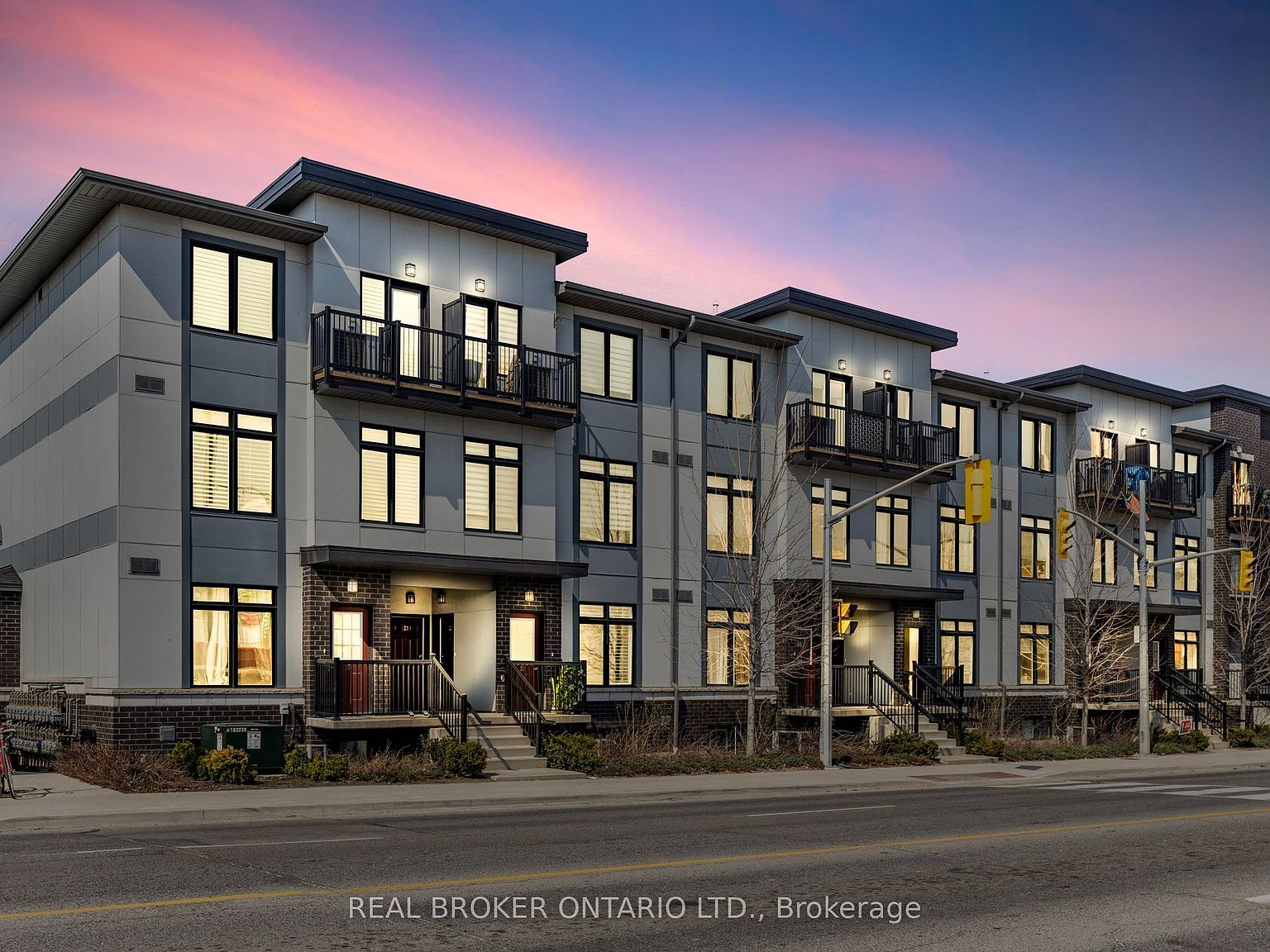
Stacked townhouses, like the units at 630 Rogers Rd, are a popular format in Toronto's newer developments. They offer the feel of a townhouse — private entrances, multi-level layouts, and modern finishes — while being part of a larger, professionally managed complex. For investors and owner-occupants alike, that's a compelling combination.
The Appeal of Multi-Unit Living in Toronto
Toronto's population continues to grow, driven by immigration, interprovincial migration, and the city's role as Canada's economic engine. According to Statistics Canada, the Greater Toronto Area's population surpassed 7 million in 2025 and is projected to continue expanding. That growth puts persistent pressure on housing supply — which is exactly why multi-unit properties make sense.
Strong and Consistent Rental Demand
Toronto's rental vacancy rate has hovered around 1.5% to 2% in recent years, well below the 3% threshold that CMHC considers healthy. That means demand for rental units consistently outpaces supply. A well-located two-bedroom unit in a stacked townhouse complex can attract young professionals, small families, or downsizers who want modern finishes without the price tag of a detached home.
More Approachable Entry Point
Compared to purchasing a standalone duplex or triplex — which can easily run well over $1 million in Toronto — stacked townhouses and multi-unit complexes often come in at a more accessible price point. Properties like 630 Rogers Rd #21, a 2019-built two-bedroom main-floor unit, offer modern construction, low maintenance costs, and the kind of finishes (quartz counters, stainless steel appliances, in-unit laundry) that today's renters actively look for.
Rental Income Potential
One of the biggest advantages of multi-unit properties is the ability to generate rental income. Whether you're house-hacking — living in one unit and renting the other — or purchasing purely as an investment, the numbers can work in your favour.
In the northwest Toronto corridor, a modern two-bedroom unit similar to 630 Rogers Rd #21 can command monthly rents in the range of $2,200 to $2,600, depending on the exact configuration, finishes, and inclusions. With mortgage rates having normalized from their 2023–2024 highs, the gap between rental income and carrying costs is more favourable than it's been in several years.
Quick Example: Rental Math
- Estimated monthly rent: $2,400 (2-bedroom, modern finishes)
- Annual gross income: $28,800
- Low maintenance (built 2019): minimal repair costs in early years
- Appreciation potential: Toronto townhouse values have averaged 4–6% annual growth over the past decade
These are illustrative estimates, not guarantees. Consult a mortgage professional and accountant for numbers specific to your situation.
Toronto Housing Market Outlook
Toronto's real estate market has always moved in cycles, but the long-term trajectory is clear: demand outstrips supply. The Ontario government's housing targets call for 1.5 million new homes province-wide by 2031, and the City of Toronto's own projections acknowledge a persistent shortfall. For investors, that structural undersupply is the foundation of long-term value.
In 2026, the market has shown renewed energy. After a period of adjustment in 2023 and 2024, buyer activity has picked up, particularly in the townhouse and low-rise segments where first-time buyers and investors compete for limited inventory. Multi-unit properties in well-connected neighbourhoods — especially those built within the last 10 years — are among the most liquid assets in this market.
Interest Rate Environment
The Bank of Canada has been gradually easing its benchmark rate, bringing more buyers back into the market. Lower rates improve cash flow for investors (lower mortgage payments) and increase the pool of potential renters who might otherwise buy. Either way, the multi-unit segment benefits.
What to Look For in a Multi-Unit Property
Not all multi-unit properties are created equal. Here are the key factors I walk my investor clients through before making an offer:
1. Age and Construction Quality
Newer builds (post-2015) mean lower maintenance costs, modern building codes, and better energy efficiency. A property like 630 Rogers Rd #21, built in 2019, comes with the advantage of modern plumbing, electrical, and HVAC systems — all of which translate to fewer surprise repair bills in the first decade of ownership.
2. In-Unit Laundry and Modern Finishes
In today's rental market, in-unit laundry is almost non-negotiable for tenants. Quartz countertops, stainless steel appliances, and hardwood or luxury vinyl flooring aren't just nice to have — they're what justify higher rents and attract quality tenants who take care of the space. These details matter more than you'd think when it comes to long-term rental performance.
3. Condo or Townhouse Fees
If the property is part of a managed complex, review the monthly fees carefully. They typically cover exterior maintenance, landscaping, snow removal, and reserve fund contributions. A well-managed corporation with a healthy reserve fund protects you from special assessments down the road. Always review the status certificate or declaration with your lawyer.
4. Parking
In Toronto, a dedicated parking spot adds real value — both in terms of rent premiums and resale appeal. Visitor parking is a bonus that makes a complex more attractive to tenants who have guests or family visiting regularly.
5. Location and Transit Access
Proximity to transit, grocery stores, schools, and highways directly impacts both rental demand and long-term appreciation. Properties near TTC subway stations, major bus routes, or upcoming LRT lines tend to outperform. The Rogers Road corridor, for example, benefits from access to Keele and Runnymede stations on Line 2, the Eglinton Crosstown LRT under construction nearby, and quick access to Highway 401.
Neighbourhood Considerations for Investors
Location is everything in real estate — and that's doubly true for investment properties. Here's what I tell my clients to evaluate when choosing a neighbourhood for a multi-unit purchase:
- Population growth and employment: Neighbourhoods near major employment centres, universities, or transit hubs tend to have the strongest and most consistent rental demand.
- Infrastructure investment: Look for areas where the city or province is investing in transit, parks, or community amenities. These projects signal long-term confidence and drive property values upward. The Eglinton Crosstown LRT is a perfect example of this effect in northwest Toronto.
- School districts: Families with children prioritize good schools. Even for investor-owned units, proximity to well-regarded schools broadens your tenant pool and supports resale value.
- Walkability and daily conveniences: Grocery stores, pharmacies, coffee shops, and parks within walking distance make a property more attractive to renters and reduce vacancy risk.
- Safety and community: A neighbourhood with active community centres, local businesses, and a sense of pride tends to sustain property values even in softer markets.
Rogers Road checks all of these boxes — and that's not just my professional opinion. It's one of the reasons a property like 630 Rogers Rd #21 stands out. The area has genuine community infrastructure, diverse local businesses, and transit connectivity that's only going to improve as the Crosstown LRT comes online.
Tips for First-Time Investors
If you're thinking about your first investment property, here's the advice I give every client:
Start with What You Know
If you've rented in Toronto, you already understand what tenants want. Use that knowledge. Modern finishes, in-unit laundry, good transit access, and a neighbourhood that feels safe and convenient — these are the features that reduce vacancy and attract reliable tenants.
Run the Numbers — All of Them
Don't just look at the purchase price and estimated rent. Factor in mortgage payments (principal and interest), property taxes, insurance, condo or townhouse fees, maintenance reserves (budget 1–3% of the property value annually), and potential vacancy periods. A property like 630 Rogers Rd #21 — with low townhouse fees, modern systems, and no immediate renovation needs — makes the math more straightforward.
Consider House-Hacking
One of the smartest strategies for first-time investors is house-hacking: buying a multi-unit property, living in one unit, and renting out the other(s). You benefit from owner-occupant mortgage rates (which are typically lower than investment property rates), you learn the landlord business hands-on, and you build equity while someone else helps pay your mortgage.
Get Your Financing in Order Early
Investment properties often require larger down payments (typically 20% in Canada) and come with slightly higher interest rates. Speak with a mortgage broker who understands multi-unit properties before you start looking. Getting pre-approved shows sellers you're serious and gives you a clear budget to work with.
Build a Team
Real estate investing isn't a solo sport. A good agent who knows the local market, a mortgage broker who understands investment properties, a real estate lawyer who reviews status certificates and closing documents, and an accountant who can optimize your tax position — these are the people who make the difference between a good investment and a great one.
Think Long-Term
The investors who do best in Toronto are the ones who hold. Short-term flips carry risk; long-term buy-and-hold in a supply-constrained market builds wealth steadily. Toronto's population growth, limited housing supply, and economic fundamentals make it one of the strongest long-term real estate markets in North America.
Why 630 Rogers Rd #21 Is Worth a Look
I'd be doing my job if I didn't mention that 630 Rogers Rd #21 is a strong example of exactly the kind of property this guide describes. Built in 2019, this 2-bedroom, 1-bath main-floor townhouse features an open-concept layout, brand new flooring throughout, quartz countertops with gold accents, stainless steel appliances (including a new 2025 stove), full-size in-unit laundry, and one owned parking space plus visitor parking.
For an investor, the low maintenance profile of a 2019 build, combined with the rental appeal of modern finishes and a well-connected Toronto neighbourhood, makes this the kind of property that pencils out. For a first-time buyer considering house-hacking or simply wanting a move-in-ready home that holds its value, it's worth seeing in person.
Curious about multi-unit investing in Toronto?
Tory can help you evaluate properties, run the numbers, and find the right investment for your goals. No pressure — just honest, expert guidance.
Schedule a Consultation